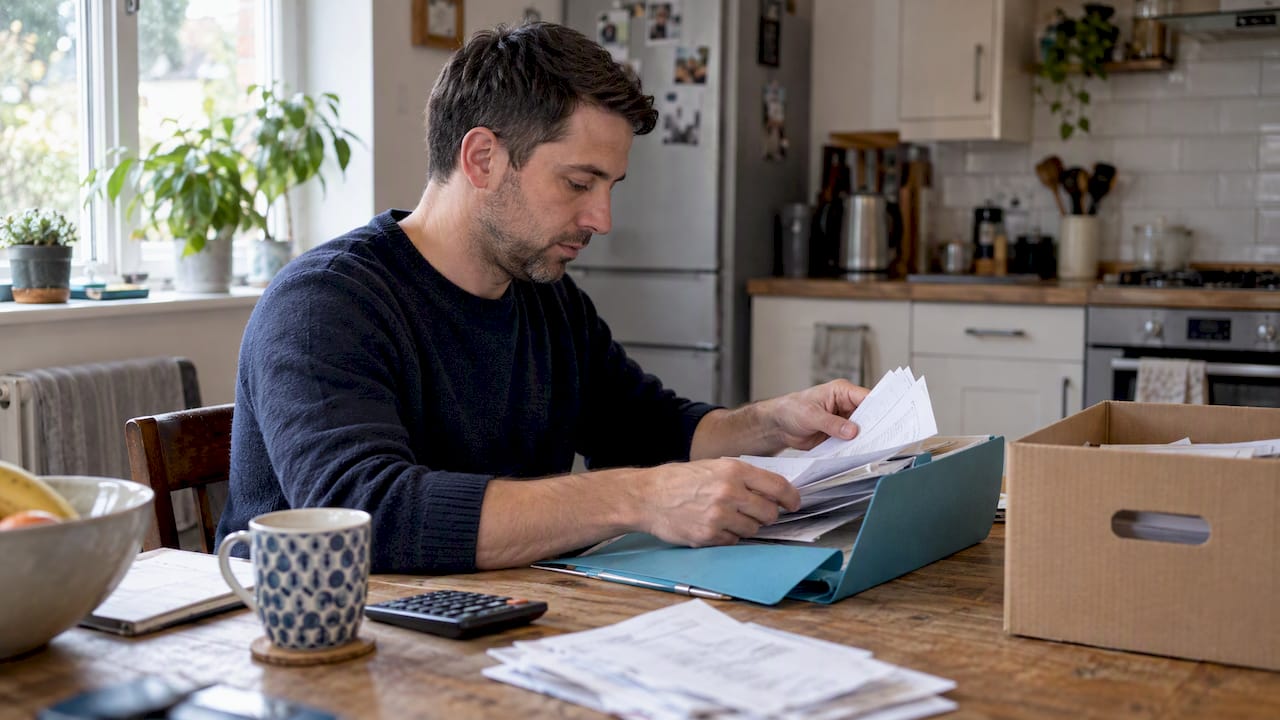
“How much does an accountant cost?”
“Are accountants expensive?”
“Is it necessary to hire one?”
These are the most likely questions that pop to mind first for most small business operators or owners every time they’re recommended to hire a certified accountant. Understandably, hiring an accountant means additional expense. That’s why it’s best to enquire and pose the right questions before pairing with a professional.
Luckily, this guide answers all those basic questions. Read on as eAccounts details the going rate of accountants in the UK and helps you decide whether you need one for your business.
Average Cost of an Accountant in the UK
There’s no average accountant cost that uniformly applies to all accounting services. But you can expect a standard range based on a service or business type.
| Service Type | Monthly Cost | Annual Cost |
| Self-Employed (basic returns) | £20–£50 | £120–£350 |
| Small Business (with VAT, PAYE) | £70–£300 | £800–£3,600 |
| Limited Company (full service) | £100–£250 | £1,000–£2,500 |
| One-Off Tax Return Only | N/A | £100–£250 |
Self-Employed Individuals
If you’re a sole trader just trying to stay on the taxman’s good side, you’re usually out of scope of the complicated tax duties and management. Most accountants charge £120 to £350 a year for basic Self Assessment support. That’s your end-of-year tax return sorted, with a few questions along the way.
But if you’d rather have someone on hand more regularly, let’s say to keep an eye on expenses or gently remind you what deadlines are looming, you’re looking at £20 to £50 a month. Handy if numbers aren’t your thing and you’d rather not wrestle with spreadsheets at 10 pm.
Small Businesses
Running a small business? Then you already know things get messy fast. VAT returns, payroll, invoices, receipts that live in the bottom of your glovebox… it all adds up. That’s why many small business owners factor in the cost of an accountant paying around £70 to £300 a month (or roughly £800 to £3,600 a year) for an accountant to keep things ticking along.
At that price, you should expect help with VAT, bookkeeping, PAYE for your team, and filing your annual accounts. Some even throw in basic business advice or a bit of cloud software access, though that’s not always a given.
Limited Companies
Limited company accounts come with more rules, more red tape, and yes, higher accountant costs. Expect to pay anywhere from £1,000 to £2,500 a year, or £100 to £250 a month, depending on how complex your setup is. That’ll typically include your year-end accounts, Corporation Tax return, payroll for directors, dividend paperwork, and Companies House filing.
If you’re VAT-registered or have multiple directors, the price climbs. And if you want regular reporting, cash flow forecasts, or help planning your tax strategy properly, well, that’s a different ball game altogether. But for many directors, the peace of mind is worth every penny.
Monthly vs Annual Pricing: Which Is Better?
There’s no one-size-fits-all answer, but how you pay your accountant can make a big difference. Monthly retainers are popular for businesses that need regular support, think payroll every month, quarterly VAT returns, or someone to answer questions when HMRC’s technicalities get confusing.
With monthly pricing, you’re spreading the cost out and (usually) getting more ongoing service. Most monthly packages include bookkeeping, reports, and unlimited queries, which is great if you’d rather not play accountant in your spare time.
Now, if you’re a sole trader with one income stream and you know your way around a calculator, an annual one-off service might do the trick. Just hand over your receipts once a year, and your accountant will sort the return. Job done.
Beware of pay-as-you-go accountants, though. They might seem cheaper at first, but costs can pile up if you’re charged separately for every phone call, email, or “quick” form. What starts as £100 could become £500 faster than you can say “capital allowances.”
What Influences the Cost of an Accountant?
Beyond the service needed, other factors have a say on how much you’re going to pay your trusted accountant. If you’ve compared prices across different accountants and noticed varying rates, just know that there are several elements at play. These variables directly impact your final cost of an accountant, so it’s wise to get a tailored quote before committing.
Location
Accountants in London and the South East often charge more, and it’s not because they’re trying to rinse you. It’s simply the cost of doing business. Office space, staff wages, and living expenses are higher in these regions, so those costs naturally filter into their fees.
In London, a basic tax return can cost as much as £350, while a more complex one may run up to £800. Compare that to rural areas in Scotland or Wales, where basic services may only cost £200–£250. Same job, different postcode, very different bill.
Even within regions, urban firms often charge more than their rural counterparts. So, if you’re not fussed about meeting face-to-face and happy to work with an online accountant from a quieter part of the UK, you could shave a decent chunk off your bill.
| Region | Basic Return (Max) | Complex Return (Max) |
| London | £350 | £800 |
| South East (Brighton, Reading) | £300 | £600 |
| Midlands / North (Birmingham, Leeds) | £250 | £500 |
| Scotland / Wales / Rural | £200 | £450 |
Business Size and Turnover
The bigger your business, the more moving parts there are. There’s simply more transactions, more employees, more reports. That means more work for your accountant. Someone running a side hustle won’t need the same level of support as a VAT-registered company with three employees, two directors, and a growing turnover.
And if your turnover creeps up past six figures, expect fees to follow. More money often means more responsibility and more eyes from HMRC.
Type of Service Needed
Not all accounting jobs are equal. A simple Self-Assessment is miles away from managing payroll, sorting out VAT returns, and building tax-saving strategies. The more tasks you offload onto your accountant, the more you’ll pay.
Need help with tax planning, cash flow forecasts, or financial strategy? That moves you out of the “basic service” range and into “premium advisory” territory. Worth it if you’re scaling, but definitely pricier.
Experience and Qualifications
A chartered accountant with 15 years under their belt (and letters after their name) won’t charge the same as a fresh graduate still getting to grips with HMRC’s quirks. You’re paying for expertise, accuracy, and peace of mind, especially if your finances are more complicated than most.
That said, newer or less traditional firms (especially online ones) might offer lower fees without skimping on quality.
When You Might Not Need a Full Accountant
Not everyone needs to hire an accountant. If your business is a side gig or you earn under the £1,000 trading allowance, you might not need one at all.
Say you’re selling on Etsy or tutoring part-time, HMRC’s online tools may be enough. They’re basic, but they handle simple filings. If your income and expenses are straightforward, bookkeeping apps can also do the job. They won’t give advice, but they help you stay compliant. If you’re confident with numbers, you could skip an accountant and save money.
Just keep in mind: less support means more responsibility. If you consistently miss deadlines or dread HMRC letters, having a professional on call might still be worthwhile.
FAQs
1. Do accountants charge hourly or flat rates?
Most accountants in the UK charge flat fees for set services, especially for things like tax returns or company accounts. Hourly rates usually come into play for more bespoke or ad hoc work. Always ask upfront.
2. Can I switch accountants mid-year without penalty?
Yes, absolutely. You’re not locked into anything. Just make sure to settle any outstanding fees and check your contract terms. Your new accountant can even help with the handover.
3. Is accounting software cheaper than hiring an accountant?
In terms of upfront cost? Yes. But software won’t chase you for receipts, advise you on tax reliefs, or stop you from accidentally claiming something you shouldn’t. It’s great for admin, but not a full substitute for advice.
4. Are there accountants who specialise in side hustles or gig work?
Definitely. Many accountants now whose specialisation is with freelancers, delivery drivers, online sellers, and other self-employed gig workers. They often offer simplified packages tailored to those needs.
5. Will my accountant deal directly with HMRC on my behalf?
Yes. That’s if you authorise them as your agent, they can talk to HMRC, so you don’t have to. No more sitting on hold for 45 minutes just to ask about a missing tax code.
Hire an Online Accountant without Breaking the Bank with eAccounts
Looking for expert support without the heavy price tag? eAccounts is one of the UK’s leading online accountancy services for small businesses, sole traders, and limited companies. With fixed-fee packages, unlimited support, and easy-to-use software, we make it simple to stay compliant and stress-free.
Whether you want someone to handle everything for you or just need a bit of help at tax time, we’ve got a service that fits your budget. And since it’s all online, you’ll never need to battle traffic or queue for a meeting.
Ready to make tax time less of a headache? Get your application process started!
For more information, please get in touch today! Click one of the buttons below to either ‘Get a Quote’ for your business OR ‘Book a Meeting’ with one of our experts!